How to Treat Acne and Blemishes Effectively
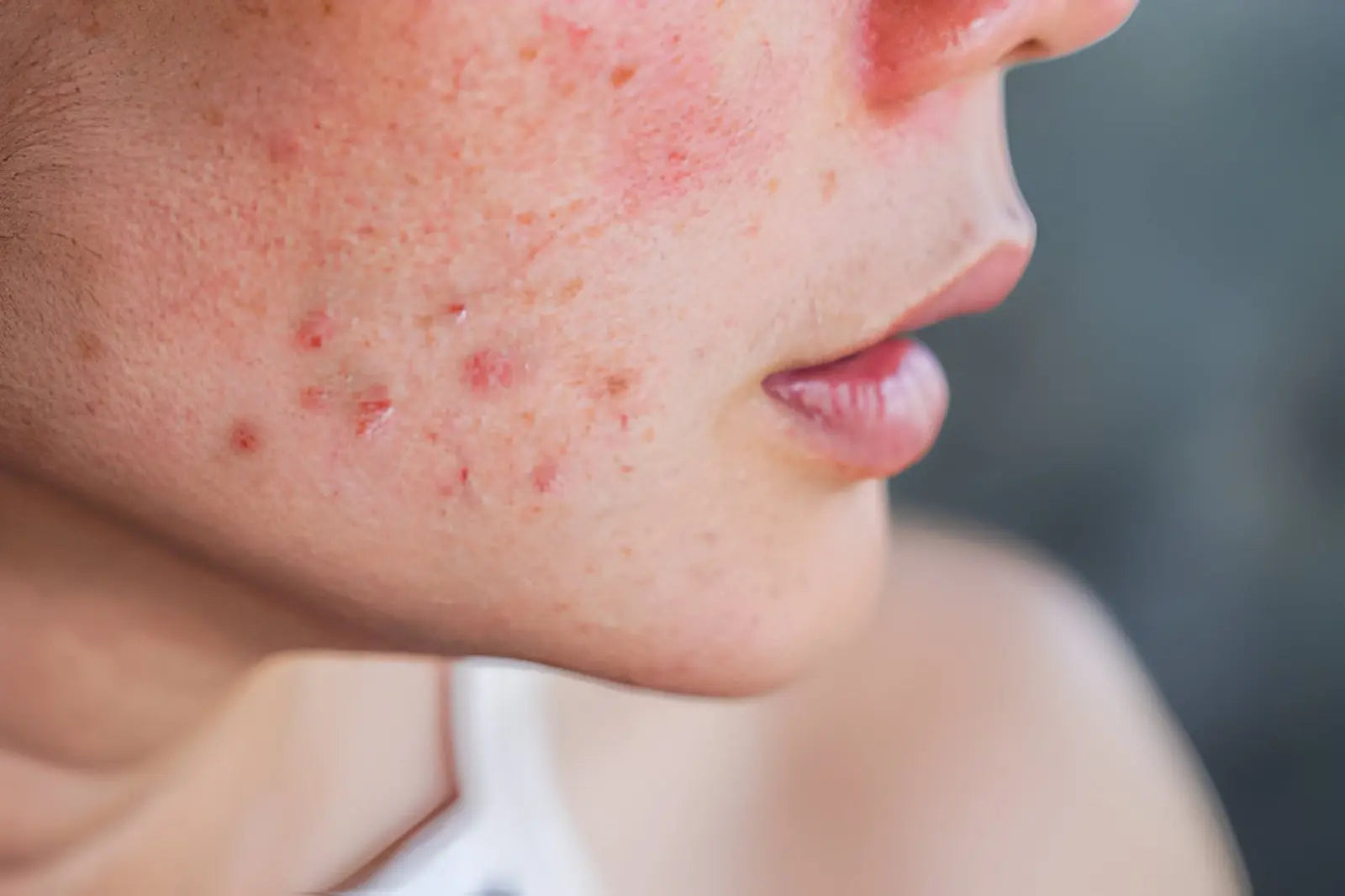
Acne and blemishes are among the most persistent and misunderstood skin concerns. Many people approach acne with aggressive treatments, layering multiple products in an attempt to achieve faster results. In reality, this often leads to irritation, barrier damage, and prolonged breakouts.
Effective acne care is not about doing more. It is about understanding your skin, simplifying your routine, and using targeted ingredients that support balance rather than disruption.

Acne develops when pores become clogged with oil, dead skin cells, and bacteria. However, the underlying triggers can vary significantly from person to person.
Common causes include excess oil production, hormonal fluctuations, buildup of dead skin cells, bacterial growth, and inflammation within the skin. External factors such as stress, diet, environmental exposure, and harsh skincare routines can also contribute to breakouts.
Understanding what is triggering your acne is essential because it determines how your skin should be treated. A routine that works for oily acne may not be suitable for sensitive or dehydrated acne prone skin.
The Importance of the Skin Barrier
One of the most overlooked aspects of acne treatment is the condition of the skin barrier. The skin barrier is responsible for protecting against external irritants and maintaining hydration.
When the barrier is damaged due to over exfoliation or harsh products, the skin becomes more reactive. This can lead to increased redness, sensitivity, and even more breakouts.
A strong skin barrier allows active ingredients to work effectively without causing unnecessary irritation. This is why a balanced approach is far more effective than aggressive treatment.
Common Mistakes in Acne Treatment
Many people unknowingly worsen their acne through incorrect skincare habits.
Using too many active ingredients at once can overwhelm the skin and cause inflammation. Over cleansing strips the skin of its natural oils, leading to increased oil production. Skipping moisturizer is another common mistake, as hydration is essential even for oily skin types.
Consistency is often overlooked. Frequently changing products or routines prevents the skin from adjusting and responding properly.
Explore targeted solutions in our Acne & Blemishes collection.

A Simple and Effective Acne Routine
An effective acne routine does not need to be complicated. In fact, simplicity often leads to better and more consistent results.
Start with a gentle cleanser that removes excess oil and impurities without stripping the skin. Follow with a targeted treatment serum that contains ingredients designed to address breakouts. A lightweight moisturizer helps maintain hydration and supports the skin barrier. During the day, sunscreen is essential to protect the skin and prevent post acne marks from worsening.
This structured approach allows the skin to stabilize while gradually improving clarity and texture.
Non prescription acne treatments like salicylic acid and benzoyl peroxide are among the most commonly used solutions, with a majority of users reporting improvement when used consistently.
Explore targeted solutions in our serums collection.
Key Ingredients That Help Treat Acne
Certain ingredients are widely recognized for their effectiveness in managing acne.
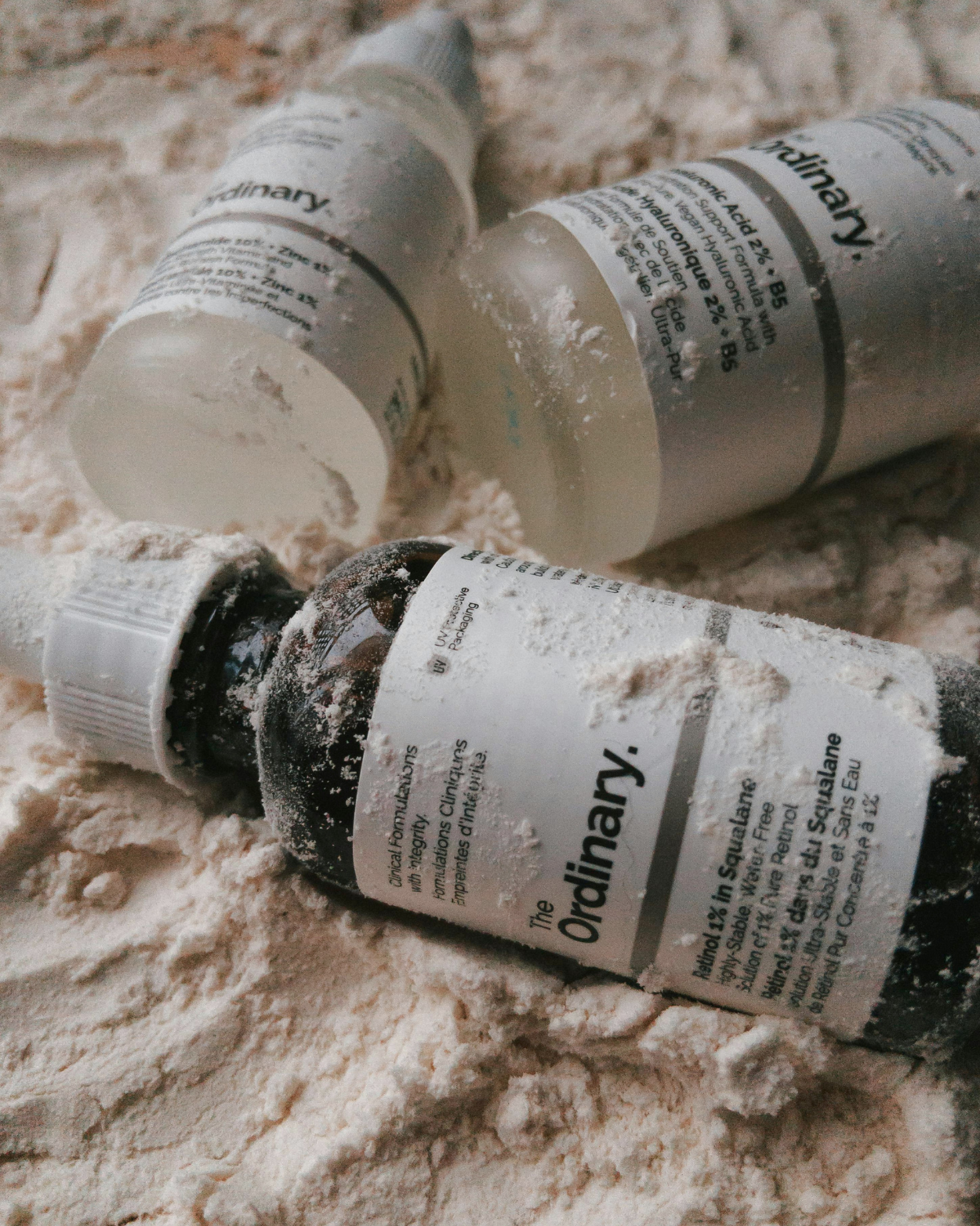
Salicylic acid works by penetrating pores and dissolving buildup, making it particularly useful for blackheads and clogged pores. Niacinamide helps regulate oil production and reduces inflammation, making it suitable for sensitive acne prone skin. Hydrating ingredients such as hyaluronic acid support moisture balance and prevent excessive dryness caused by treatments.
Using these ingredients in a controlled and consistent manner is far more effective than combining multiple strong actives at once.

Long Term Approach to Clear Skin
Treating acne is not an overnight process. It requires patience, consistency, and a routine that supports the skin rather than stressing it.
Results typically take several weeks to become visible. During this time, it is important to avoid making frequent changes and allow the skin to adjust. A calm and consistent routine often produces better outcomes than aggressive short term treatments.
Explore Targeted Solutions
To simplify your routine and find products designed specifically for breakouts, explore the Acne & Blemishes collection at Skinarchives. Each product is selected to support clear, balanced, and healthy looking skin.
Conclusion
Acne treatment becomes more effective when it is approached with clarity and intention. By understanding the causes, protecting the skin barrier, and following a simple and consistent routine, it is possible to improve skin over time without unnecessary irritation.
Skincare does not need to be complicated to be effective. When done correctly, it allows the skin to return to balance and function as it should.
Frequently Asked Questions
How long does acne treatment take
Most acne treatments take 4 to 8 weeks to show visible improvement, depending on consistency and skin condition.
Can acne be treated without harsh products
Yes, gentle and consistent routines often work better than aggressive treatments that damage the skin barrier.
Should I moisturize acne prone skin
Yes, hydration is essential to maintain balance and prevent excess oil production.

Written by Skin archives

Leave a comment
This site is protected by hCaptcha and the hCaptcha Privacy Policy and Terms of Service apply.